
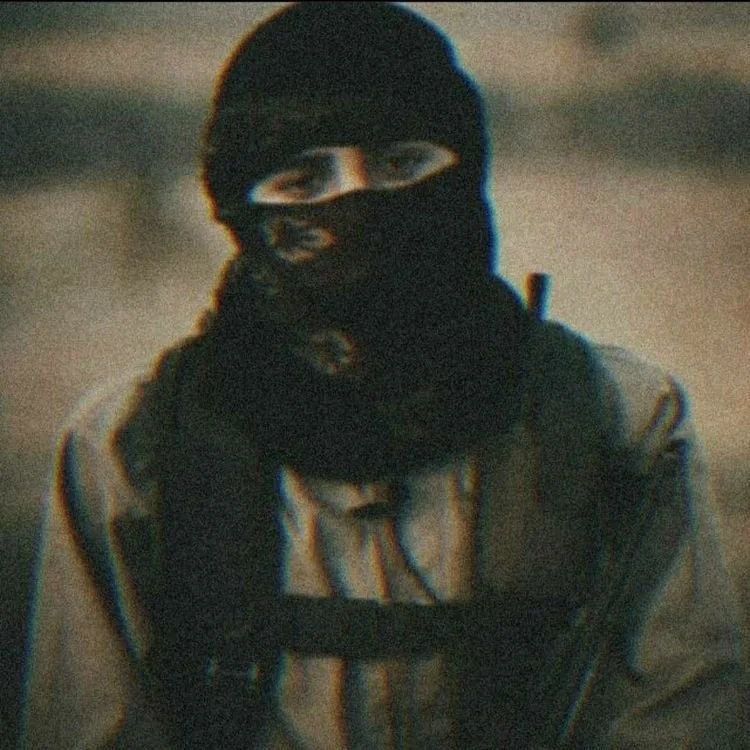
Actor Profile: ISWAP
Executive Summary
Islamic State West African Province (ISWAP) is a Jihadist group operating in the Lake Chad basin. The group has tried to distinguish itself from rival Jihadists groups such as JAS by avoiding civilian casualties, and instead preferring to target military installations and personnel. It has developed a semi-symbiotic relationship with the local Muslim population by filling in infrastructural and institutional gaps that the Nigerian government has been unable to. Despite their strict imposition of Shari’a, their presence is seen by many in Borno as preferable to the rival Jihadist group, JAS, or even the Nigerian armed forces due to a history of mistreatment. As a result, traditional counter-insurgency measures have proven ineffective, though financial pressures may weaken the bond between ISWAP and the local population.
Key Points
ISWAP is engaged in terrorist operations in the Lake Chad basin, primarily aimed at rival Jihadist groups and state governments
The group is filling in an institutional black hole that many locals see as preferable
The Nigerian government has struggled to uproot them due to these ties, and their effective terror strategies
Assessment
ISWAP poses a unique challenge to national security for the affected nations (Nigeria, Niger, Chad & Cameroon) because of its relationship to the local population. Their greatest strategic strength is the restraint and tolerance they afford to Muslim subjects. Although ISWAP enforces a strict form of Shari’a Law within their territory, including draconian punishments, many local people consider this to be preferable to lawlessness or subjugation by JAS. Civilians who associate themselves with, or act as informants for rival groups, either state or non-state, are subject to severe punishment. ISWAP’s utilisation of tolerance and extreme punishment create a distinctive loyalty among their subjects, and hinder state efforts to uproot them.
As a result of these factors, ISWAP is a relatively successful branch of the global Islamic State (IS) operation, accounting for 38% of all IS attacks, and 27% of all casualties in the first half of 2025. The Lake Chad basin has become the epicentre of IS activity since the Islamic State in Iraq and Syria were degraded by an international coalition.
The Lake Chad basin affords them a strategic position that straddles multiple national borders which hinders unified efforts to uproot them. Lake Chad is also relatively well populated compared to other areas in the region due to the fishing, herding and agricultural opportunities it provides. These natural conditions supply ISWAP with a large taxable population and pool of potential recruits.
However, recent reports suggest that ISWAP’s fiscal discipline is being eroded in some areas due to ongoing conflict pressure, resulting in ad-hoc extortion and harsher enforcement. Hunger has also become a problem for ISWAP, raising fears of desertion, which was deterred by providing temporary permission to rob civilians in government controlled areas. If this continues it risks undermining the legitimacy and predictability that distinguishes it from other armed groups in the area, meaning state forces may find more favourable conditions for counter-insurgency operations.
Threat Actor Summary
This report refers to ISWAP as the organisation that has existed since 2016, following a schism in Jamatu Ahli Al-Sunna lil Da’wa Wal Jihad (JAS). It is directly affiliated with the Islamic State, and is in conflict with rival Jihadist group, JAS. ISWAP’s operations are confined to the Lake Chad basin, encompassing the quadripartite borders of Nigeria, Niger, Chad and Cameroon. They are characterised by hardline Salafist ideology that seeks to undermine the nation state, post-colonial regimes, democracy, and the corruption, immorality and inequality it associates with them.

Strategy and Tactics
ISWAP tends to operate from environments that provide some protection from state air assets, namely Borno state’s Sambisa forest or the islands of lake Chad.
They have operated a “Hearts and Minds” strategy in an attempt to coax the population into loyalty. Standard procedure is to avoid illegal violence against civilians, even publicly denouncing such violence, including extra-conjugal gender based violence. ISWAP aims to create the conditions for an Islamic State by guiding civilians to the way of Islam, upholding Shari’a Law, strict gender roles, and the individual duty of Jihad. This is part of ISWAP’s propaganda campaign against their military rivals, namely JAS, who have become infamous for their violence. Despite this position, cases of violence and gender based violence among ISWAP fighters are not infrequent.
Shari’a Law is imposed strictly inside ISWAP territory, zakat is imposed (A 10% tax), and religious laws are enforced by the Hisba (Religious police). Islamic penal law is applied to private and public life with contraventions such as smoking or drinking being met with severe punishments drawn from the Huddud, Ta’zir, and Qisas. For the local population this can mean amputation, death by stoning or beheading.
ISWAP primarily targets military assets which has caused a notable drop in civilian casualties since 2016, but an increase in military casualties since 2018. Their effective use of coordinated assaults, Improvised Explosive Devices, ambushes, and recently drone warfare poses a serious challenge to counter-insurgency forces. ISWAP’s operation ‘Camp Inferno’ has overrun 17 Nigerian military installations since February 2025. They do not specifically target civilians during these raids, and do not use women or children in suicide bombing operations.
Financing
Alongside the zakat levied on the Muslim population, ISWAP subjects non-Muslims to jizya as a means of financing their operations. Non-Muslims continue to pay jizya until they convert or are killed. ISWAP does not specify the amount that is owed through jizya, with local Amirs making ad-hoc decisions based on necessity. In some cases farmers are forced to pay per hectare of land they intend to cultivate, in other cases local authorities would take one bag of millet per ten bags harvested. This practice blurs the line between official taxation and extortion.
ISWAP also views NGO workers or government officials as lucrative sources of revenue via ransom. ISWAP carries out mass kidnappings of school children to invite large ransom payments, however victims are often treated well and spared the sexual and physical violence characteristic of JAS. In recent years Cryptocurrency has become popular as a means of transferring funds internationally and avoiding embargos.
Weapon and Logistics Acquisition
Weapons and other logistics supplies are routinely stolen from military installations, however a significant amount come from Libya. After the fall of the Libyan government in 2011, weapons and ammunition were quickly dispersed throughout the continent and continue to arm various non-state actors today.
Targets
ISWAP practices takfirism which allows them to excommunicate or execute anyone deemed to be an infidel. Targets of this ideology are often local state security forces, foreign actors, civilian authorities, and non-state armed groups of differing ideologies such as JAS, or the Al-Qaeda leaning JNIM or Ansaru. This occurs primarily within their territory, and they have been known to exile agitators to areas under government control. ISWAP has a more limited definition of ‘infidel’ than JAS, and excludes all Muslims from the class of acceptable targets. Non-Muslims who refuse to convert face much more severe retaliation. Westerners and Western organisations are considered valid targets as they can be used as hostages to force concessions from the state.
Designation and Tracking
The United States designated ISWAP as an international terrorist organisation in 2018, and the United Nations Security Council ISIL (Da’esh) and Al-Qaida Committee listed ISWAP as a sanctioned organisation in 2020.